Sodium Cyanide: A Comprehensive Safety Guide
Sodium Cyanide: A Comprehensive Safety Guide
Blog Article
Handling compound sodium salt requires extreme caution and strict adherence to safety protocols. This document outlines essential procedures for stopping exposure, including correct keeping, private protective equipment utilization, and emergency reaction plans for accidental leaks. Regularly consult the material protection information (MSDS) before working with sodium salt and ensure that all staff are properly educated in its protected application. Failure to observe these instructions can result in severe health effects or even death.
Proper Handling Guidelines for Sodium Cyanide
Employing with na salt demands rigorous adherence to secure management guidelines. This extremely toxic material requires dedicated education and equipment . Regularly utilize suitable protective equipment , including mitts, eye guard, and a breathing device certified for compound exposure . Never operate with yellow salt unaccompanied; confirm a associate is present . Correct air circulation is vital to minimize breathing in of vapors . Keep na compound in a cold, moisture-free place , away from acids and oxidizing substances . Promptly remediate any spills following written routines , and dispose of refuse in accordance with regional directives .
- Consult the Operational Data Sheet .
- Maintain a clean environment.
- Notify any events without delay.
Sodium Cyanide Storage: Essential Requirements
Safe management of ferrocyanide substance necessitates strict observation to essential storage protocols . Areas allocated for sodium cyanide shall be protected , equipped with appropriate exhaust systems to prevent contact hazards, and feature fail-safe barriers in case of here accidental release . Staff involved in ferrocyanide storage procedures need comprehensive instruction on controlled manipulation and crisis response approaches.
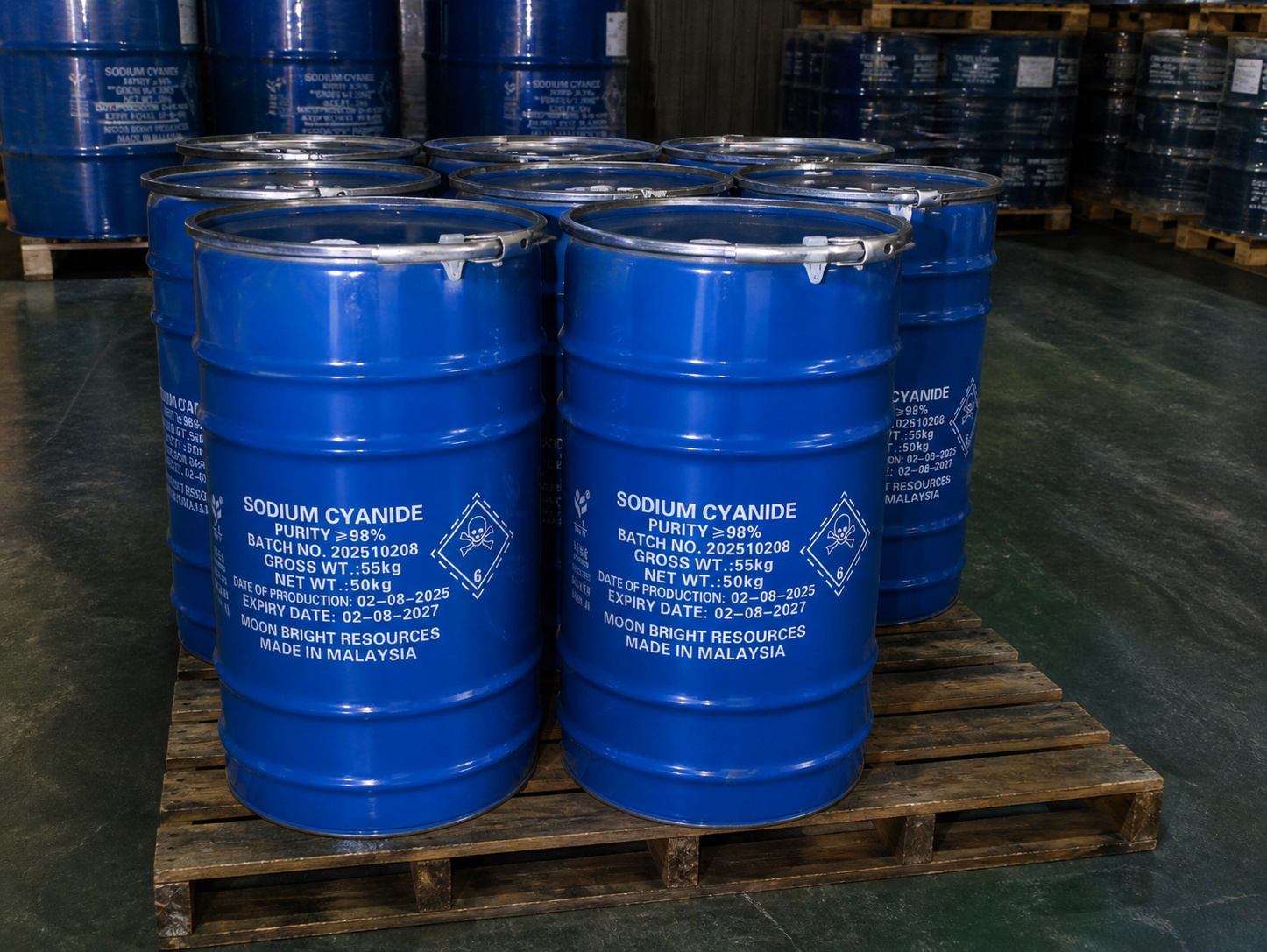
Navigating Sodium Cyanide Transportation Regulations
Moving dispatch of sodium cyanide presents the significant regulatory challenge for companies. Compliance with federal guidelines is absolutely vital, demanding comprehensive awareness of organization-specific requirements. Regulations vary based on type of transport (road, rail, air, sea) and locale . Shippers must reliably package the material, displaying required markings and documentation including incident data sheets (SDS) and shipping documents. education for employees handling the compound is mandatory and periodic reviews are often demanded to maintain adherence .
- Review applicable regulations.
- Ensure adequate packaging.
- Provide correct documentation.
Understanding the Sodium Cyanide SDS: Key Information
Grasping the Sodium Cyanide Safety Data Sheet is essential for individuals working with this toxic substance . Direct your focus to the name section, which details the structure and potential hazards . Additionally, carefully read the first-aid measures presented in case of ingestion. The substance and reaction attributes section provides important details about its reactivity and reactions. Finally, verify that appropriate safety gear is employed based on the risk evaluation in the MSDS.
Best Practices for Sodium Cyanide Risk Mitigation
Adopting comprehensive risk reduction strategies is paramountly vital when working with sodium cyanide. Prioritize rigorous engineering controls, such as sealed movement systems, to minimize possible contact. Employee training courses need to include adequate personal protective apparel (PPE) selection, emergency answer protocols, and hazard communication. Scheduled assessments of conservation places and work practices are necessary to identify and fix any lapses. Finally, copyright thorough data of every operations connected to sodium cyanide to verify responsibility and facilitate future improvements.
Report this page